

As we head into March, anglers across Southwest Montana start paying close attention to snowpack numbers. Snow water equivalent (SWE) is one of the best indicators we have for how the upcoming fly fishing season may shape up on rivers like the Big Hole, Beaverhead, Madison, Jefferson, and Upper Missouri.
The latest USDA NRCS data at the end of February shows most of Southwest Montana sitting slightly below the long-term median but still in a fairly reasonable position for this point in the winter.
The Madison basin is currently around 86% of median, the Gallatin around 82%, and the Upper Yellowstone basin close to 89%. The Jefferson basin is sitting near 79%, while the Upper Clark Fork basin is about 84%. These numbers aren’t alarming, but they do leave room for improvement as we head into spring.
What’s important to remember is that the final outcome of the season is rarely decided by February snowpack alone. In Montana, the period from March through June is often what really determines how our rivers fish through the summer.
Late winter storms in March and April can add significant snow to the high country. In some years, that late snowfall makes up a large portion of the final snowpack total. Spring rain also plays a big role. A wet May and June can extend runoff, keep rivers cooler, and help maintain healthy flows through the summer.
At this point, we’re in a wait-and-see window.
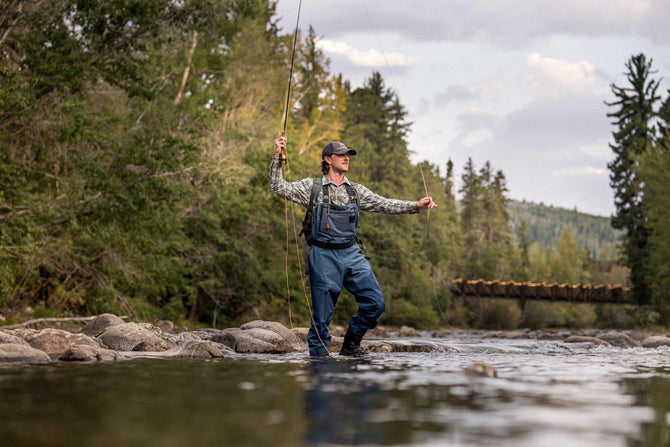
If snowpack stays a little below average and we see an earlier runoff, anglers may want to start thinking about fishing earlier in the summer. Early June can offer excellent fishing across much of Southwest Montana before runoff peaks or before flows drop later in the season.
Being flexible with plans is always important during runoff season. Conditions change quickly depending on temperatures, snowmelt rates, and spring storms.
Another thing anglers often overlook during runoff years is just how good the fishing can be away from the bigger rivers. High mountain lakes and smaller streams often start fishing well while the valley rivers are still high and off color. These waters can offer some of the most fun fishing of the early season.
Over the next six to eight weeks we’ll learn a lot more about what the 2026 season may look like. A few good spring storms could still bring most of these basins right back to average.
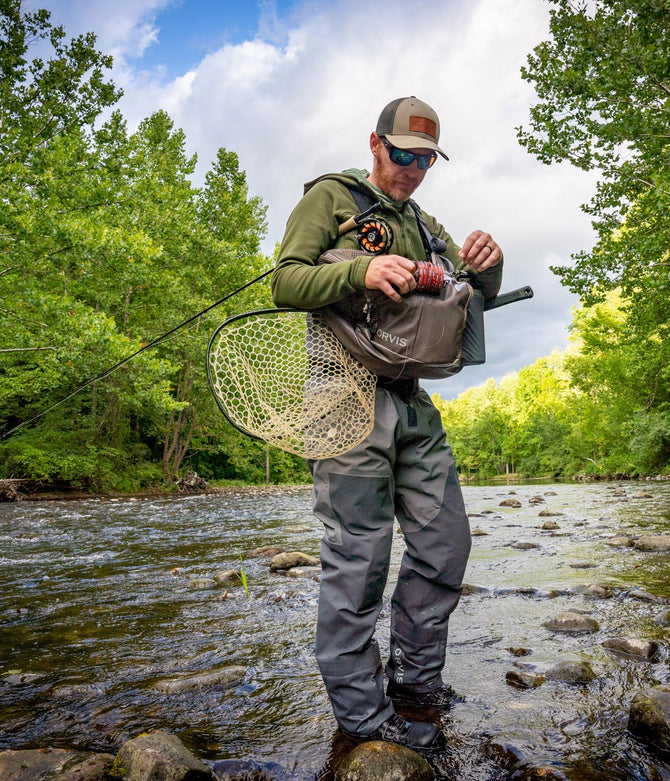
For now, it’s a good time to start thinking about gear for the season ahead. Check your fly lines, waders, and boots so you’re ready when conditions line up.
We’ll keep watching the snowpack and river conditions closely as spring develops and keep anglers updated on what it means for fly fishing across Southwest Montana.


